

In the fast-paced world of procurement and supply chain management, keeping up with the latest news...
By Kate Jeter, Head of Global Field Marketing
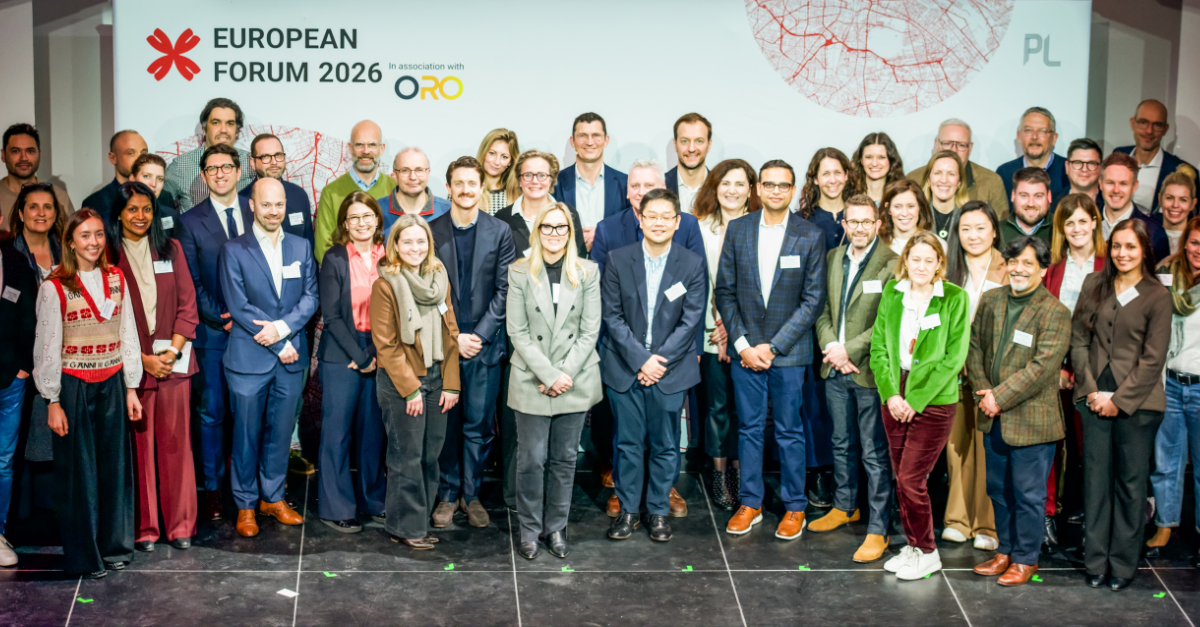
Procurement Leaders’ European Forum 2026 made one thing unmistakably clear: if procurement wants a seat at the table, it needs metrics that actually drive decisions, and an orchestration layer that makes those metrics real in day-to-day operations.
From Vanity Metrics to Value Metrics
Across the forum, leaders in Berlin were aligned on a shared challenge: far too much time is being spent explaining numbers, and not enough time is being devoted to using them to change outcomes. Savings ‘pipelines’ and activity dashboards are no longer enough; what matters is demonstrated impact on P&L, risk, growth, and user experiences.
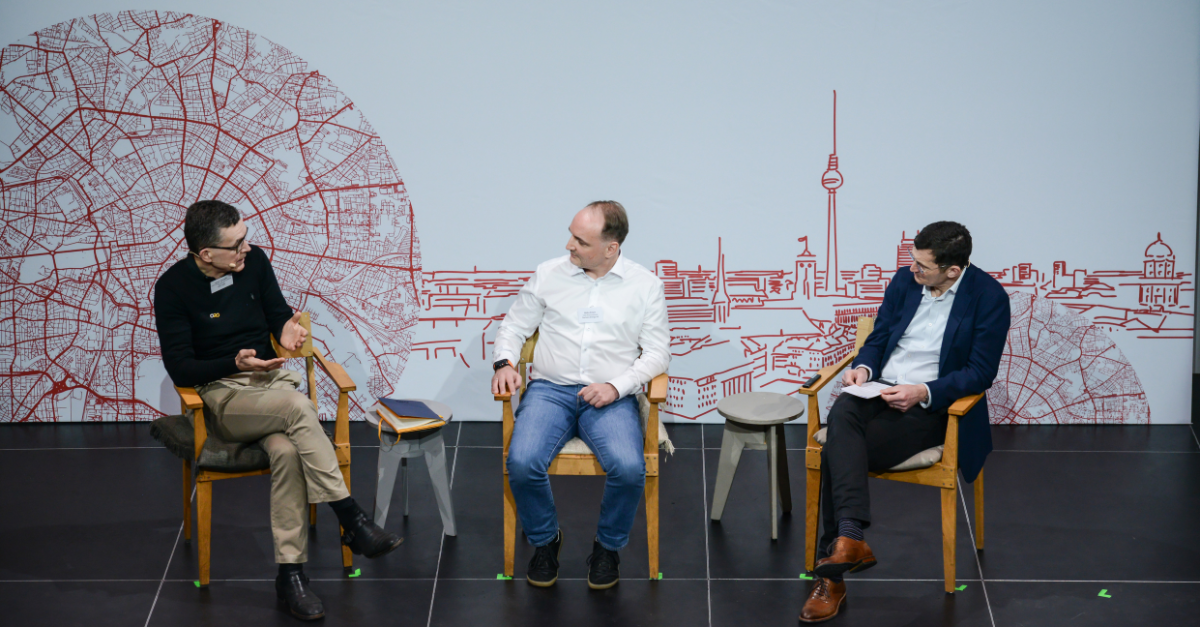
In our keynote panel, we dug into a core shift: from tracking what is easy to measure, to measuring what actually moves the business. Leaders highlighted metrics including realized savings and cost avoidance at unit level, direct P&L impact, time to market, and revenue contribution as proof points that resonate with CFOs and business stakeholders. The message was clear: procurement needs to show how its work accelerates margin, cash, and growth, not just show how many processes it runs.
Orchestration as the Missing Link
The sessions repeatedly surfaced a structural barrier: data exists, but it is scattered across ERPs, CLMs, P2P tools, spreadsheets, and emails. Without a way to connect those systems, procurement teams struggle to produce trustworthy, near real-time metrics, and to act on them consistently.
This is where procurement orchestration comes into sharp focus. Through coordinating workflows across systems, teams, and policies, orchestration platforms including ORO ensure that critical data points (from intake through to supplier performance) are captured once, at the right time, validated, and then reused everywhere they are required. Participants stressed the importance of ‘agentic’ quality checks embedded into processes, so that data is continuously validated rather than being retrospectively cleaned. The result is a single operational backbone that supports both reporting and action, with cycle times, compliance, and user experience improving as by-products rather than separate projects.
Metrics that Matter Most
In both our keynote panel and hands-on workshop, a clear set of ‘metrics that matter’ emerged, the ones that CPOs feel give them true credibility with C-suite leaders:
- Savings and cost avoidance at the unit level, tied to realized P&L outcomes rather than pipeline estimates
- P&L impact and cash contribution, including margin improvement and working capital benefits
- End-to-end cycle time for PR-to-PO and sourcing events, exposing bottlenecks and speeding up delivery to the business
- Client and user satisfaction, covering internal stakeholders and suppliers, with metrics including NPS, perceived process duration, and ease of use
- Automation volume and usage, tracking the share of workflows that run touchless and where human intervention adds value
- Supplier performance and resilience, including OTIF (On Time In Full), quality, and continuity of supply
- Spend under management, showing the percentage of addressable spend actually influenced by procurement
- ESG and responsible sourcing, from Scope 3 visibility to supplier compliance and ethical standards
CPOs emphasized that these metrics are most powerful when viewed as an integrated story, rather than separate KPIs. For example, improving cycle time and user satisfaction while raising automation and spend under management signals a function that is becoming both more efficient as well as more strategic.
Turning Insights into Action
The workshop pushed participants beyond theory into “how” territory. Working in small groups, leaders sketched action plans for embedding these metrics into their operating models. Several common priorities emerged:
- Strengthen business partners by building closer relationships with finance and the business, ensuring that metrics and targets are co-owned rather than “reported up”
- Embed the voice of the customer, internal and external, into continuous improvement cycles, treating satisfaction data as a leading indicator, not a vanity score
- Establish quarterly OKRs with clear RACI ownership, so each metric has named accountability and agreed follow-through
- Invest in a group purchasing organization and continuous improvement capability that can use orchestration tools to standardize processes, track adoption, and scale best practices
- Treat data quality as a principle, not a project - mapping and monitoring key data elements tied to target metrics
Participants also connected these actions to broader enterprise agendas, such as building resilient, digital-first procurement functions capable of navigating volatility across markets, a core theme of the 2026 Forum
What this Means for Procurement Leaders
The European Forum demonstrated a function ready to move beyond high-level narratives about ‘strategic value’ and into concrete, metric-led transformation. Leaders in the room are designing operating models where orchestrated workflows produce cleaner data, which in turn powers better metrics, which then drive faster, more confident decisions. As one CPO put it during the workshop, “The goal isn’t more dashboards - it’s fewer excuses.”
For ORO, joining as the headline partner in Berlin was an opportunity to demonstrate how procurement orchestration can make the feedback loop effective and real: connecting intake to outcome, surfacing the right metrics at the right moment, and enabling teams to turn ROI conversations into practical, everyday change.
Want to join the discussion? See where you can catch ORO at upcoming events around the world.